
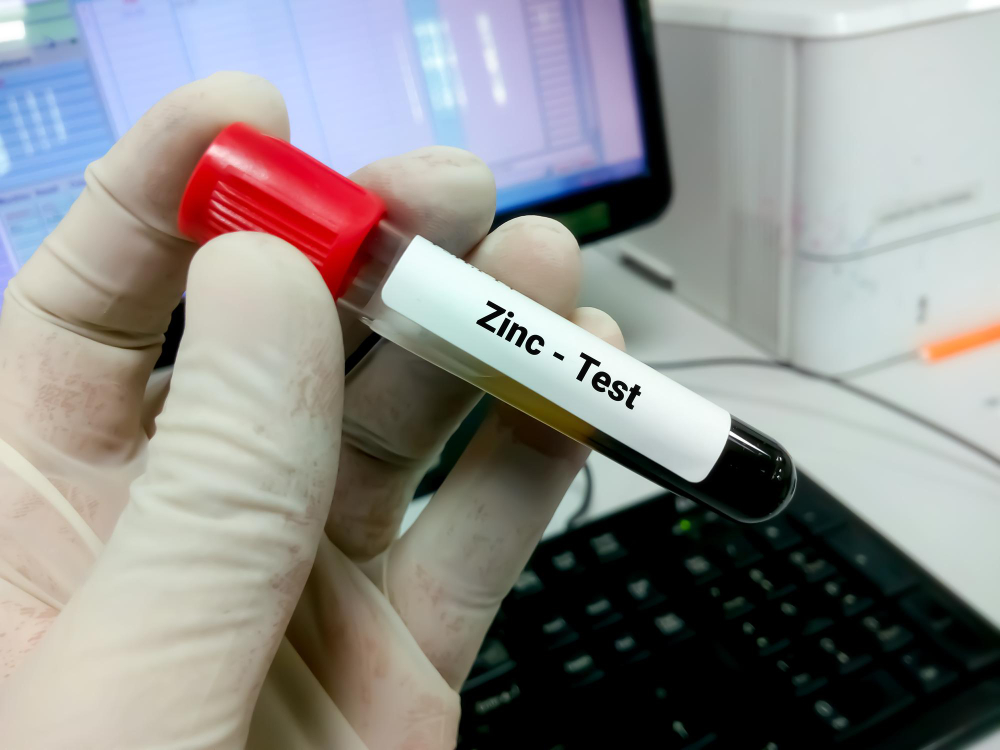
Introduction to the Zinc Test
The zinc test is a simple blood test that checks the amount of zinc in your body. Doctors often use this test to see if you have enough zinc for good health. Zinc is an important mineral. It helps your body fight infections, heal wounds, and grow properly. Because zinc is so important, a zinc test can help find problems early. Many people wonder how to check zinc levels or if they need a zinc deficiency test. This blog will explain everything you need to know about the zinc test.
Why a Zinc Test Is Ordered
Doctors may order a zinc test for several reasons. Sometimes, people show signs of low or high zinc. For example, you may need a zinc blood test if you have:
On the other hand, too much zinc can also cause problems. Signs of high zinc include nausea, vomiting, stomach pain, and headaches. If you have these symptoms, your doctor may suggest a zinc test. According to the World Health Organization (WHO), zinc deficiency is common in some areas. Therefore, testing can help find and treat problems early.
How the Zinc Test Is Performed
The zinc test is quick and easy. Usually, it is a blood test. Here is what you can expect:
After the test, you can go back to your normal activities. Because the test is simple, there is little discomfort.
Understanding Zinc Test Results
Once your zinc blood test is done, your doctor will review the results. Normal zinc levels in blood are usually between 70 and 120 micrograms per deciliter (mcg/dL). However, these numbers may vary slightly by lab.
Because other factors can affect zinc levels, your doctor will look at your health history and symptoms. Sometimes, more tests are needed to find the cause.
Risks and Limitations of the Zinc Test
The zinc test is safe for most people. However, like any blood test, there are small risks. For example, you may have slight pain, bruising, or swelling where the needle was used. These problems usually go away quickly.
There are also some limitations. For instance, zinc levels can change based on the time of day, recent meals, or even stress. Because of this, one test may not give the full picture. Your doctor may repeat the test or use other tests to confirm the results.
Tips for Maintaining Healthy Zinc Levels
Keeping your zinc at a healthy level is important. Here are some tips:
In addition, avoid taking too much zinc, as this can be harmful. The Centers for Disease Control and Prevention (CDC) suggests getting most of your zinc from food, not supplements.
When to Consult a Healthcare Provider
If you have symptoms of zinc deficiency or excess, talk to your doctor. For example, if you notice slow healing, frequent infections, or changes in taste, a zinc test may help. Also, if you are thinking about taking zinc supplements, ask your doctor first. They can guide you on the right amount and check if you need a zinc deficiency test.
Remember, only a healthcare professional can interpret your test results and give you the best advice.
Consult a healthcare professional at KD Diagnostics Omerga for personalized advice about zinc testing and your health.