
Introduction: Understanding the Thyroid and Its Role
The thyroid is a small gland in your neck. It makes hormones that help control your body’s energy and temperature. These hormones affect how fast your heart beats and how your body uses food. Because of this, your thyroid is important for your overall health. Many people do not know that winter affects thyroid levels. In this guide, you will learn how cold weather can change your thyroid health.
How Winter Impacts Thyroid Levels
During winter, your body works harder to stay warm. As a result, your thyroid may need to make more hormones. This is because thyroid hormones help keep your body temperature steady. Some studies show that thyroid levels can rise in cold weather. However, not everyone will notice big changes. Still, people with thyroid problems may feel the effects more. According to the CDC, cold weather can make your body use more energy. Therefore, your thyroid may become more active in winter. This is called seasonal thyroid changes.
Common Symptoms of Thyroid Imbalance in Winter
Sometimes, winter thyroid symptoms are easy to miss. But knowing what to look for can help you stay healthy. For example, you may notice:
If you have these symptoms, it may be time to check your thyroid health in cold weather.
Causes and Risk Factors Specific to Cold Weather
Winter brings many changes to your body. For instance, less sunlight can lower vitamin D levels. This may affect your thyroid. Also, cold weather can slow your body’s processes. People with a family history of thyroid problems may be at higher risk. In addition, women and older adults are more likely to have thyroid issues. If you already have a thyroid condition, winter can make symptoms worse. Therefore, it is important to watch for seasonal thyroid changes.
Diagnosis: When to Check Thyroid Levels in Winter
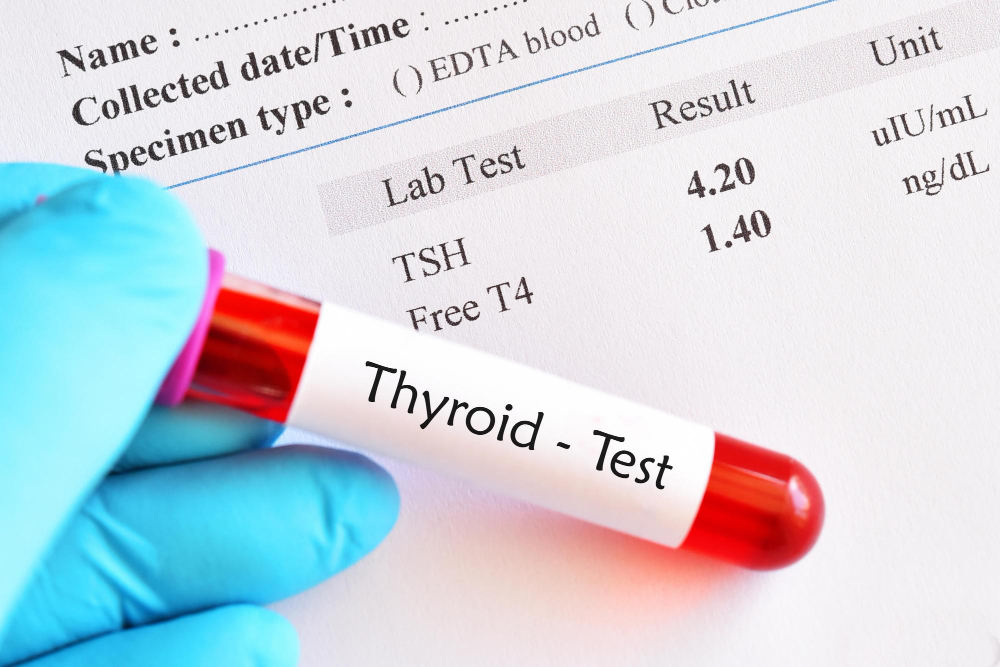
It is wise to check your thyroid if you notice new symptoms in winter. For example, if you feel tired or cold all the time, talk to your doctor. Blood tests can measure your thyroid hormone levels. Your doctor may also check for other problems, such as low vitamin D. Early diagnosis helps prevent more serious health issues. So, do not wait if you have concerns about how cold weather affects thyroid health.
Treatment and Management Tips for Winter Thyroid Health
If you have a thyroid problem, your doctor may adjust your medicine in winter. This helps keep your hormone levels steady. In some cases, you may need more frequent check-ups. Always take your medicine as prescribed. In addition, keep your neck warm and dress in layers. This can help your body stay comfortable. If you notice new symptoms, let your doctor know right away.
Lifestyle and Prevention: Diet, Exercise, and Self-Care During Winter
Healthy habits can support your thyroid in winter. For example, try these tips:
With these steps, you can help prevent winter thyroid symptoms and stay healthy all season.
Conclusion
Winter affects thyroid levels in many people. However, you can manage your health with the right steps. If you notice changes in your body, do not ignore them. Consult a healthcare specialist at K D Diagnostics for personalized thyroid advice, especially during winter months.