
Introduction
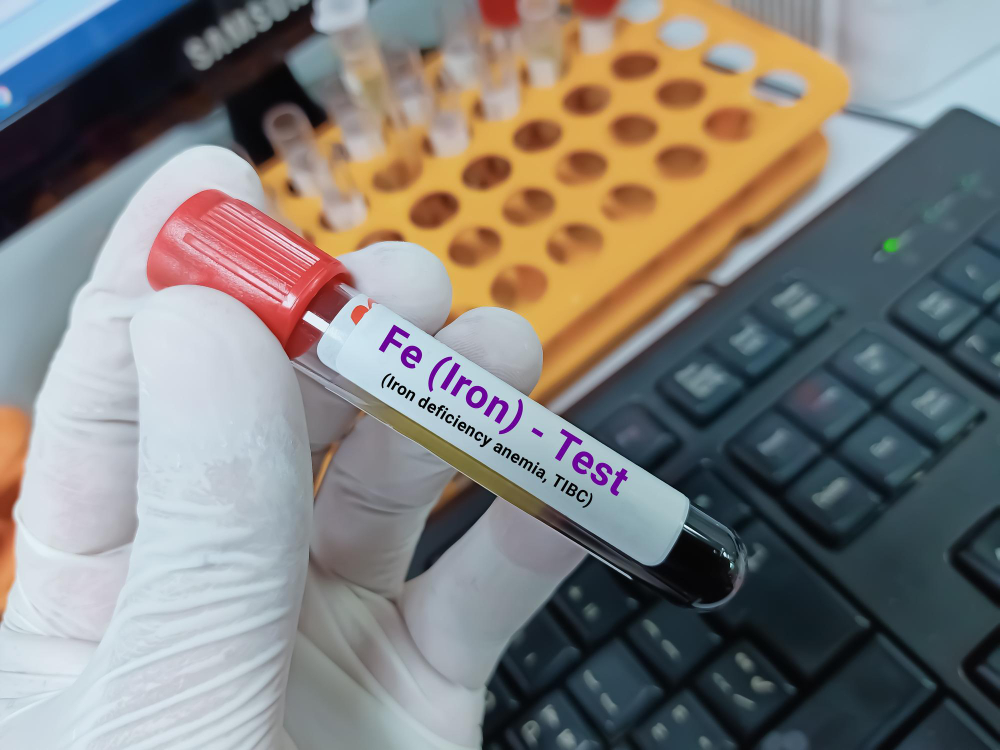
An anemia test is a simple blood test that checks if you have anemia. Anemia means your blood does not have enough healthy red blood cells. Because these cells carry oxygen, low levels can make you feel tired or weak. Many people wonder how to test for anemia or what the anemia blood test procedure involves. In this blog, you will learn what an anemia test is, how it works, and what to expect. We will also explain anemia test results and give tips to help you prepare.
What Is an Anemia Test?
Simply put, an anemia test checks for signs of anemia in your blood. Doctors use it to see if you have enough red blood cells and hemoglobin. Hemoglobin is a protein that helps carry oxygen. Because anemia can cause many health problems, this test is important. It helps your doctor find out if you need treatment or more tests. According to the CDC, anemia is common and can affect people of all ages.
Why Is an Anemia Test Needed?
Often, doctors order an anemia test if you have symptoms like:
Sometimes, you may not have any symptoms. However, your doctor may still suggest the test if you have risk factors. For example, pregnancy, heavy periods, or certain health conditions can increase your risk. Early testing helps find problems before they get worse.
Types of Anemia Tests
There are several tests that help check for anemia. The most common types include:
Sometimes, your doctor may order extra tests to find the cause of anemia. For example, they may check your iron, vitamin B12, or folate levels.
How Is an Anemia Test Performed?
Getting an anemia test is quick and simple. Here is what usually happens:
The whole process takes only a few minutes. Most people feel little pain, just a quick pinch.
Understanding Your Anemia Test Results
Once your results are ready, your doctor will explain them. Here is what the results usually mean:
Sometimes, more tests are needed to find out why you have anemia. Your doctor may check for iron deficiency or other issues. According to the World Health Organization, early treatment can help prevent complications.
Preparing for an Anemia Test
Usually, you do not need to do much to get ready for an anemia test. However, here are some simple tips:
Most anemia tests do not require fasting. Still, always follow your doctor’s instructions.
Risks and Safety
An anemia test is very safe. Most people have no problems. Sometimes, you may feel a little pain or see a small bruise where the needle went in. Rarely, you might feel dizzy or faint. However, these side effects are mild and go away quickly. The benefits of testing far outweigh the risks.
When to Consult a Doctor
If you notice symptoms like tiredness, pale skin, or shortness of breath, talk to your doctor. Also, if your anemia test results are not normal, your doctor will guide you on next steps. Early care can help you feel better and prevent problems. According to the CDC, regular check-ups are important for your health.
Consult a healthcare professional at KD Diagnostics Omerga for personalized advice about anemia testing.