
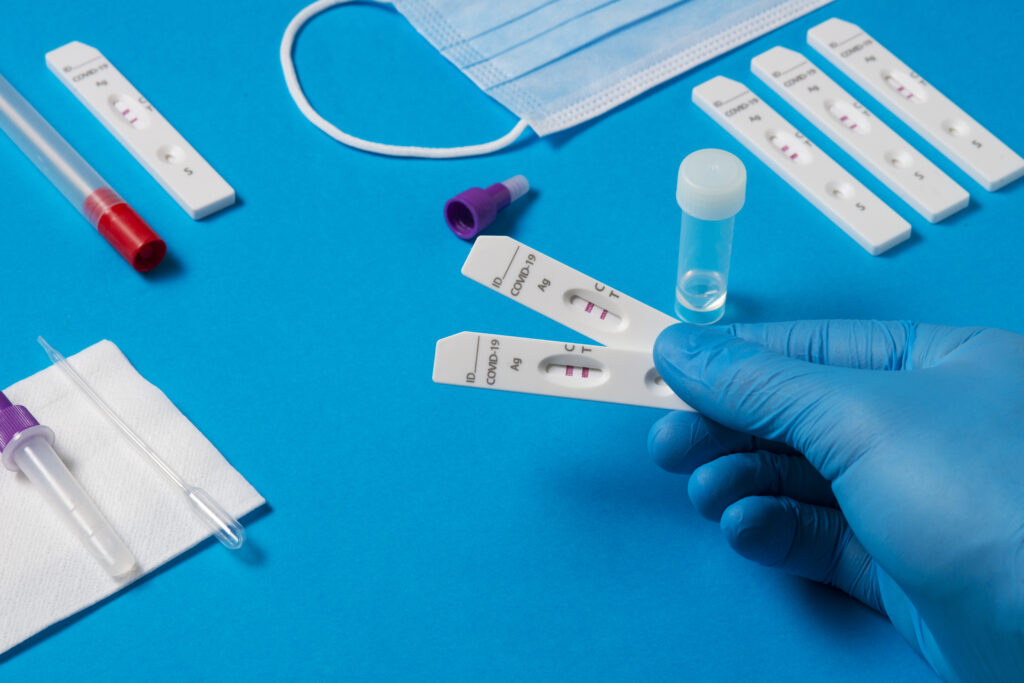
Typhoid fever is a serious illness caused by the Salmonella typhi bacteria. To diagnose this infection, doctors often use the Typhoid Test, also known as the Widal Test. This test helps detect signs of typhoid fever in your blood. In this blog, you will learn what the Widal Test is, why it is done, how it works, and what your results mean. Understanding the Typhoid Test can help you make informed decisions about your health.
What is the Typhoid Test (Widal Test)?
The Typhoid Test, or Widal Test, is a blood test used to check for typhoid fever. It looks for specific antibodies in your blood. These antibodies form when your body fights the Salmonella typhi bacteria. The test helps doctors find out if you have a current or recent infection. Although there are other typhoid diagnosis methods, the Widal Test is still common in many places.
Why is the Typhoid Test Done?
Doctors use the Typhoid Test to help diagnose typhoid fever. If you have symptoms like high fever, stomach pain, headache, or weakness, your doctor may suggest this test. Early diagnosis is important because typhoid fever can become severe if not treated. In addition, the test is helpful in areas where typhoid fever is common. It can also be used to check for typhoid outbreaks in communities.
How is the Typhoid Test Performed?
The Widal Test is simple and quick. First, a healthcare worker takes a small blood sample from your arm. Next, the blood is mixed with special solutions in a lab. These solutions contain parts of the Salmonella typhi bacteria. If your blood has antibodies, it will react with the solutions. The test usually takes a few hours to complete. You do not need to fast or prepare in any special way before the test.
Understanding Your Typhoid Test Results
After the test, your doctor will explain the results. A positive Widal Test means your blood has antibodies against Salmonella typhi. However, this does not always mean you have typhoid fever right now. Sometimes, past infections or vaccines can cause a positive result. On the other hand, a negative result means no antibodies were found. But, it is possible to have typhoid fever even if the test is negative, especially early in the illness.
Here is what your results may show:
Limitations and Accuracy of the Widal Test
While the Widal Test is widely used, it has some limits. For example, the test can give false positives if you had a past infection or received a typhoid vaccine. It can also give false negatives if the test is done too early. Because of these issues, doctors may use other tests, such as blood cultures, to confirm typhoid fever. According to the World Health Organization (WHO), the Widal Test should not be the only method for typhoid diagnosis. Always discuss your results with your doctor for the best advice.
When to Consult a Doctor
If you have symptoms like high fever, stomach pain, or weakness, you should see a doctor. Even if your Typhoid Test is negative, your doctor may suggest more tests. Early treatment is important to prevent serious problems. In addition, if you live in or have traveled to an area with typhoid outbreaks, let your doctor know. They can help you decide if you need testing or treatment.
In summary, the Typhoid Test (Widal Test) is a helpful tool for diagnosing typhoid fever. However, it has some limits. Always talk to a healthcare professional at KD Diagnostics Omerga for personalized advice about typhoid testing and treatment.