
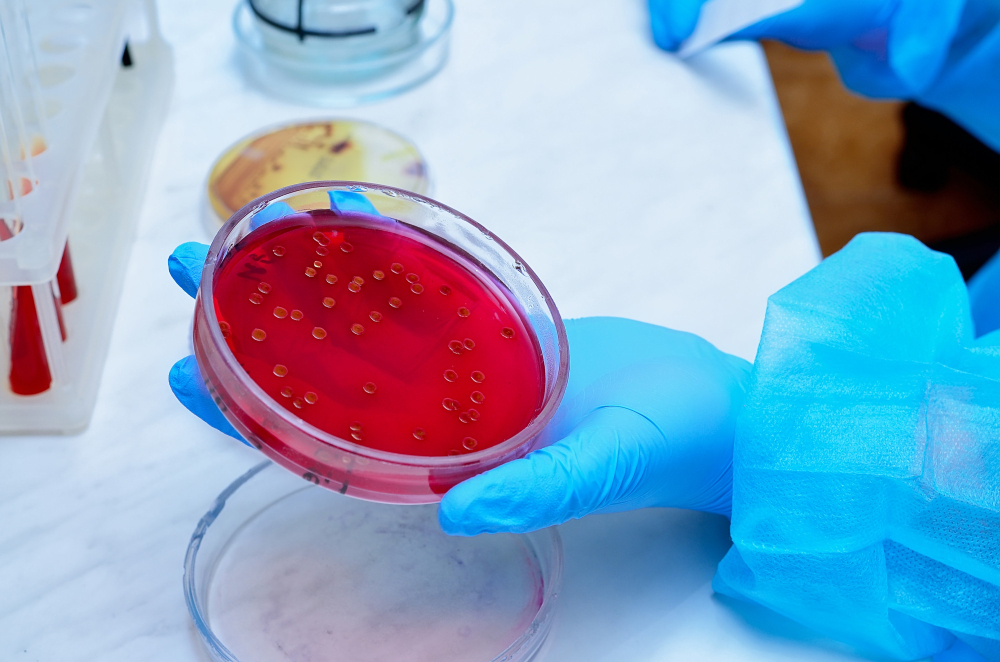
What is a Blood Culture?
A blood culture is a simple test that checks for bacteria in your blood. Doctors use it to find out if harmful germs are present. Often, this test helps with early detection of sepsis, a serious infection. Because sepsis can be life-threatening, quick testing is important. Blood cultures are a key part of sepsis diagnosis and treatment.
Why Blood Cultures are Important for Detecting Sepsis
Sepsis happens when your body reacts strongly to an infection. If not treated quickly, it can damage organs. Blood culture: detecting sepsis-causing bacteria early can save lives. For example, the Centers for Disease Control and Prevention (CDC) says fast diagnosis lowers the risk of severe illness. Therefore, blood cultures are vital for finding the cause of sepsis and starting the right treatment.
How the Blood Culture Test Works
The blood culture test process is simple. First, a nurse or doctor cleans your skin. Next, they take a small amount of blood from your arm. Then, the blood goes into special bottles. These bottles help any bacteria grow, making them easier to find. After that, the lab checks the bottles for germs. Results usually take one to three days. Sometimes, doctors order more than one blood sample to improve accuracy.
Common Symptoms and Signs of Sepsis
Sepsis can start with mild symptoms. However, it can get worse quickly. Watch for these signs:
If you notice these symptoms, seek medical help right away. Early detection of sepsis is crucial for recovery.
Causes: How Bacteria Enter the Bloodstream
Bacteria can enter your blood in many ways. For instance, a cut or wound can let germs in. Sometimes, infections in the lungs, urinary tract, or skin spread to the blood. Medical devices, like catheters, can also be a source. In addition, people with weak immune systems are at higher risk. Because bacteria in blood can cause sepsis, it is important to treat infections early.
Diagnosis: The Role of Blood Cultures in Identifying Sepsis
Doctors use blood cultures to confirm sepsis. When symptoms appear, they order the test right away. If bacteria grow in the blood sample, it means there is an infection. This helps doctors choose the best treatment. According to the World Health Organization (WHO), blood cultures are the gold standard for sepsis diagnosis. Therefore, they play a key role in saving lives.
Treatment Options After a Positive Blood Culture
If your blood culture is positive, doctors act fast. First, they give antibiotics to fight the bacteria. Sometimes, you may need fluids or oxygen. In severe cases, you might need care in a hospital. The type of bacteria found helps doctors pick the right medicine. Because early treatment improves outcomes, quick action is important.
Prevention Tips for Sepsis
Although sepsis can be serious, you can lower your risk. Here are some tips:
By taking these steps, you help prevent bacteria in blood and lower your risk of sepsis.
When to See a Doctor
If you have signs of infection and feel very sick, see a doctor right away. Especially if you notice symptoms like fever, confusion, or fast breathing, do not wait. Early detection of sepsis can save your life. Always consult a healthcare professional at K D Diagnostics if you suspect sepsis or need advice about blood culture tests.