
What Is an Iron Studies Test?
An iron studies test is a blood test that checks how much iron is in your body. Doctors use this test to look at your iron levels and how well your body stores and uses iron. Often, people call it an iron blood test. This test helps find problems like iron deficiency or too much iron. Because iron is important for making healthy red blood cells, checking your levels can help spot health issues early.
Why Is an Iron Studies Test Done?
Doctors may order an iron studies test for several reasons. For example, you might have symptoms like tiredness, weakness, or pale skin. These signs can mean your body does not have enough iron. On the other hand, too much iron can also cause problems. The test helps with:
According to the CDC, iron tests are common when doctors suspect anemia or other blood problems.
How to Prepare for an Iron Studies Test
Before your iron studies test, your doctor may give you special instructions. Sometimes, you need to fast (not eat or drink) for 8–12 hours before the test. Fasting helps get the most accurate results. However, not all labs require fasting, so always ask your healthcare provider. In addition, let your doctor know about any medicines or supplements you take. Some vitamins and iron pills can affect your test results. If you live in a rural area or a small town, check with your local clinic about test availability and preparation steps.
The Iron Studies Test Procedure
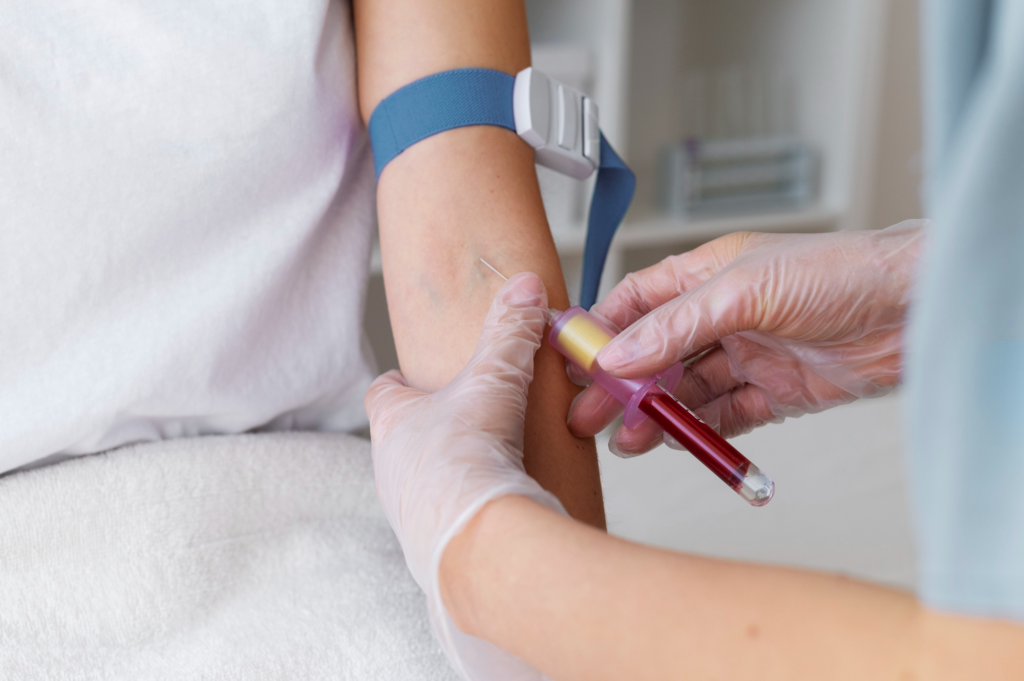
The iron studies test is simple and quick. First, a healthcare worker will clean your arm. Next, they will use a small needle to take a blood sample from a vein, usually in your arm. The whole process takes only a few minutes. After the test, you can go back to your normal activities. Sometimes, you might feel a little sore or see a small bruise where the needle went in. But most people feel fine soon after.
Understanding Your Iron Studies Test Results
Once your results are ready, your doctor will review them with you. The iron studies test usually includes several parts:
Each part helps your doctor understand your iron levels. For example, low ferritin often means low iron stores. On the other hand, high ferritin can mean too much iron or another health problem. Your doctor will explain what each number means for you.
What Do Abnormal Results Mean?
Abnormal iron studies test results can point to different health issues. For instance, low iron or ferritin levels often mean iron deficiency. This can lead to anemia, which makes you feel tired and weak. High iron or ferritin levels can mean your body stores too much iron. This is called iron overload. It can harm your organs if not treated. Sometimes, abnormal results may be due to other health problems, such as liver disease or infections. Because many things can affect your results, your doctor may order more tests to find the exact cause.
Next Steps After Your Iron Studies Test
After you get your iron studies test results, your doctor will talk about what they mean. If your iron levels are low, you may need to eat more iron-rich foods or take supplements. If your iron is too high, your doctor may suggest treatments to lower it. Sometimes, you may need more tests to check for other health problems. Always follow your doctor’s advice and ask questions if you are unsure about your results or next steps.
For more information, you can visit trusted sources like the World Health Organization or the Centers for Disease Control and Prevention.
Consult your healthcare provider at KD Diagnostics Omerga for personalized advice about iron studies tests. Our expert team provides thorough testing and helps interpret the results to guide your health decisions.