
What is a Liver Function Test?
A liver function test is a simple blood test. It checks how well your liver is working. Doctors use it to measure certain proteins and enzymes in your blood. These levels show if your liver is healthy or if there may be a problem. Because the liver is important for many body functions, this test helps keep track of your health. According to the CDC, liver function tests are common and safe.
Why is a Liver Function Test Done?
Doctors order a liver function test for many reasons. For example, you may have symptoms like yellow skin, dark urine, or tiredness. Sometimes, the test is part of a routine checkup. In other cases, it helps monitor liver diseases or the effects of medicines. Here are some common reasons:
Because early detection is key, this test can help prevent serious problems.
How is a Liver Function Test Performed?
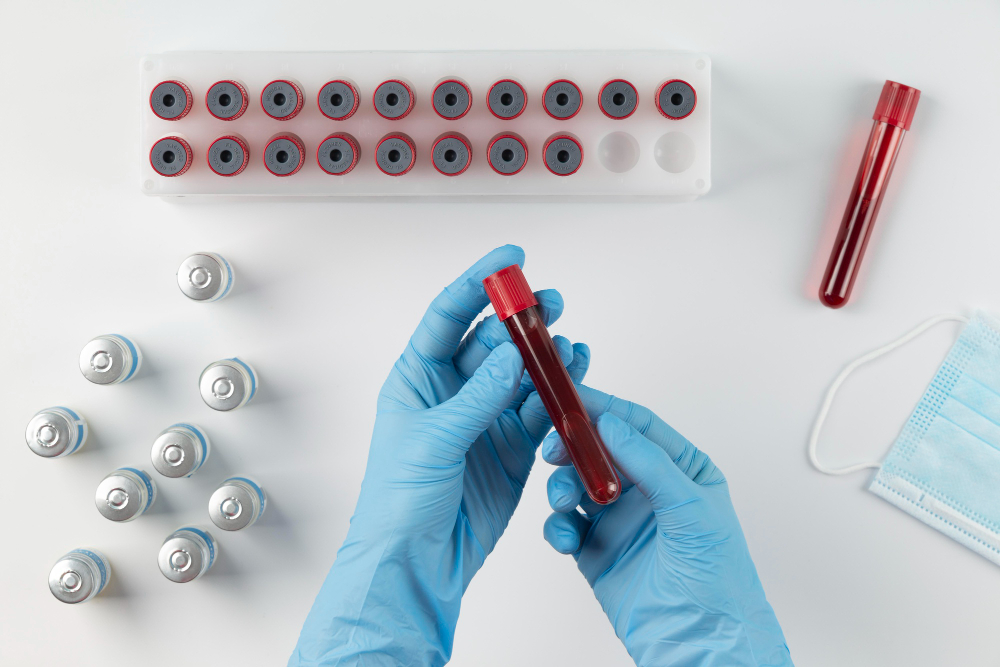
Many people wonder, “How is liver function test done?” The process is quick and simple. First, a healthcare worker cleans your arm. Next, they use a small needle to take a blood sample. The sample goes to a lab for testing. Usually, you do not need to fast before the test. However, your doctor may give you special instructions. The whole process takes only a few minutes. Most people feel little pain, but you may have a small bruise afterward.
Understanding Liver Function Test Results
After the test, your doctor will review the results. Normal liver function test results mean your liver is working well. The test measures several things, such as:
Each part tells something different about your liver. For example, high ALT or AST levels may show liver damage. Low albumin can mean your liver is not making enough protein. However, not all abnormal results mean you have a disease. Sometimes, medicines or other health issues affect the numbers. Because interpreting liver function test results can be tricky, always talk to your doctor.
When to Consult a Doctor
If your test results are not normal, do not panic. Many things can cause changes in your liver tests. However, you should consult a doctor if you have:
Because early treatment helps, it is important to get medical advice quickly.
Frequently Asked Questions about Liver Function Test
Conclusion and Next Steps
In summary, a liver function test is a safe and useful way to monitor your liver health. It helps detect problems early and guides treatment.
If you have questions or concerns about your liver, don’t wait. Consult a healthcare professional at KD Diagnostics Omerga for personalized advice regarding liver function tests and your liver health.